Oct 30, 2011

Laev talvekorterisse / Ship in winterquarters


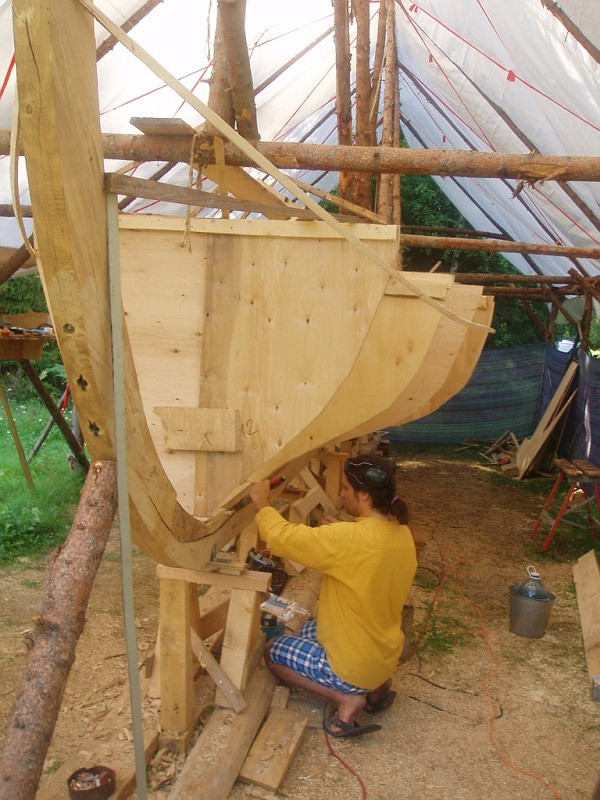
Selleks aastaks lõpetasime laeva plangutusega. Peal on kaheksa rida laudu, puudu veel kaks. Talvel tegelema materjalikogumise ja ettevalmistustega uue aasta hooajaks.

We have finished with the planking for this year. Ship now has eight rows on planks, still missing two. During the winter we will gather additional material and prepare for the coming season next year.

Oct 6, 2011

Kuues lauaring / Six rows of planks in place

Laevaehitaja moto: Ei ole probleemi mida ei saa lahendada pitskruviga. Kui probleemi ei saa lahendada pitskruviga, siis tuleb pitskruve lisada, kuni probleemi saab lahendada pitskruviga.

Shipbuilders creed: There isn't a problem that cannot be solved with a cramp. If the problem cannot be solved with a cramp add cramps, until the problem can be solved with a cramp.


Aug 29, 2011

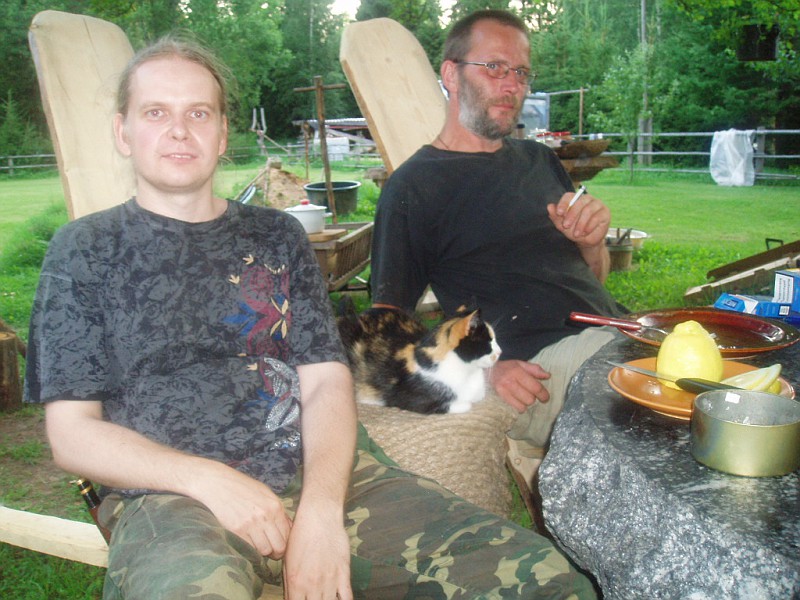
Laevakoer Kaaro / Boatdog Kaaro


Tegelikult Kaarole vesi üldse ei meeldi ja laevaga veepeale ta sõitma minna ka ei kavatse. Aga kuna tema koduõues viikinglaeva ehitatakse, siis peab ta olema laevakoer. Noblesse oblige

To be fair Kaaro doesn't like water at all and he will never go for a boatride. But since the viking ship is being built at his home, he must be a boatdog. Noblesse oblige


Aug 27, 2011

Kolmas planguring / Third row of planks

Tasapisi lisame planke, hetkel sai peale kolmas plangurida. Viikinglaeva plangud on kinnitatud üksteise külge sepisneetidega. Muinasajal pandi neete isegi kuni 30 cm vahedega. Tänapäeva ohutusnormid aga nõuavad, et laevaneedid oleksid maksimaalselt 11 cm vahedega. See aga tähendab palju-palju-palju neetimist.

Slowly we're getting the ships sides up, right now we just finished the third row of planks. Viking ships were built by riveting planks to eachother. In ancient times the boats had rivets up to 30 cm apart. Nowadays Northern boatbuilding and safety standards require the rivets to be no more than 11 cm apart. That means lots and lots and lots of riveting.


Viikinglaeva plangud keerduvad täävide juures üsna kõrgele, mistõttu on lihtne ajada tääve väga kõrgeks. Laeva keskel aga on plangud peaaegu horisontaalsed, moodustades laevale laia "kõhu".

The planks of a viking ship twist very high near the fore and aft, therefore it is easy to raise the ends of the ship very high. In the middle of the ship the planks are almost horizontal, making a wide "belly".


Kolmanda planguringi valmimist valvab laevakoer Kaaro.

Third plankrow is being closely guarded by our boatdog Kaaro.